The Best Fluffy Pancakes recipe you will fall in love with. Full of tips and tricks to help you make the best pancakes.
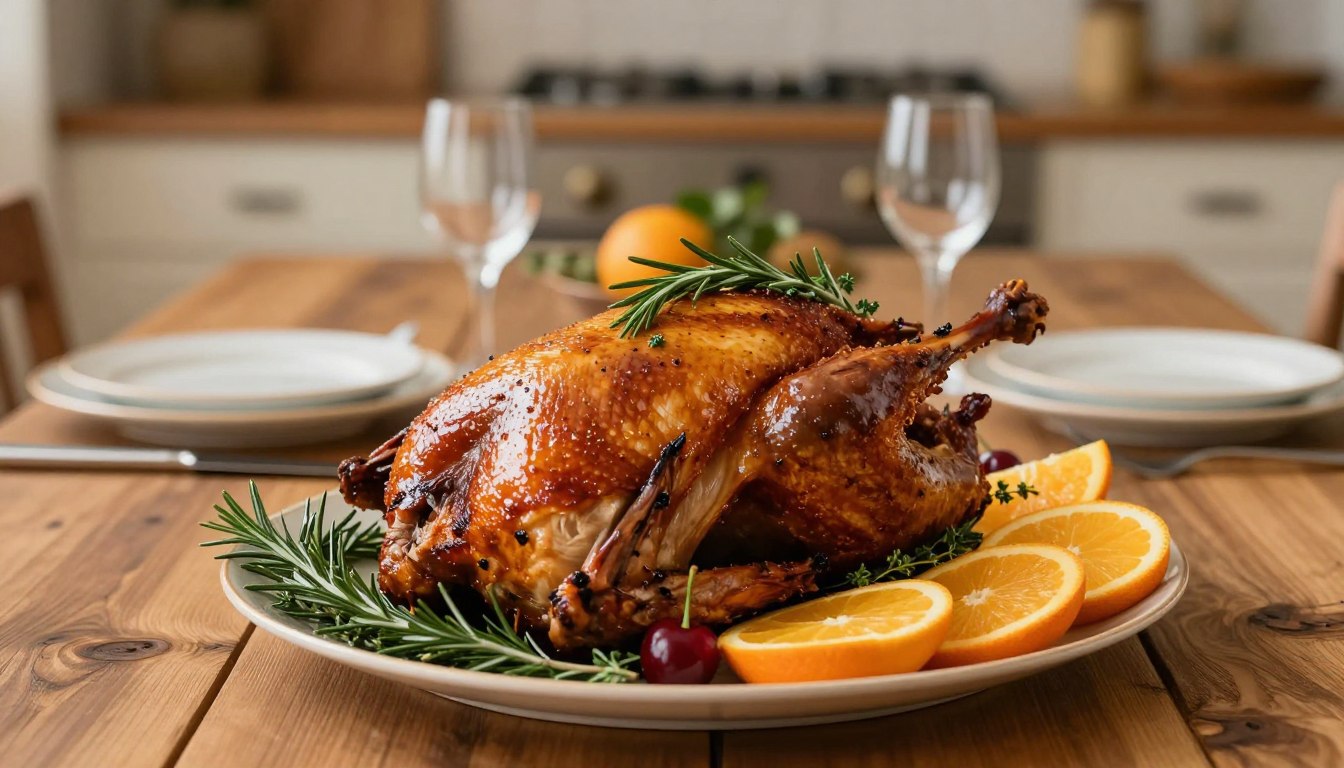
Delicious Roast Duck Recipe: Easy Steps to Perfection

Ever thought roast duck was only for restaurants? Guess what? Making a simple roast duck recipe at home is easier than you think.
Roast duck might seem hard to make, but I’m here to clear things up. With my help, you can make it just like the pros do, right in your kitchen.
This guide will show you how to make a roast duck that’s both crispy and juicy. Perfect for any special dinner or just to wow your family with a fancy meal.
My method makes cooking duck easy, even if you’re new to it. You’ll learn how to pick the right duck and roast it perfectly. Soon, you’ll be a pro at making this fancy dish.
Ready to see how easy and tasty making roast duck at home can be?
Table of Contents
Why This Roast Duck Recipe Will Become Your Go-To Holiday Centerpiece
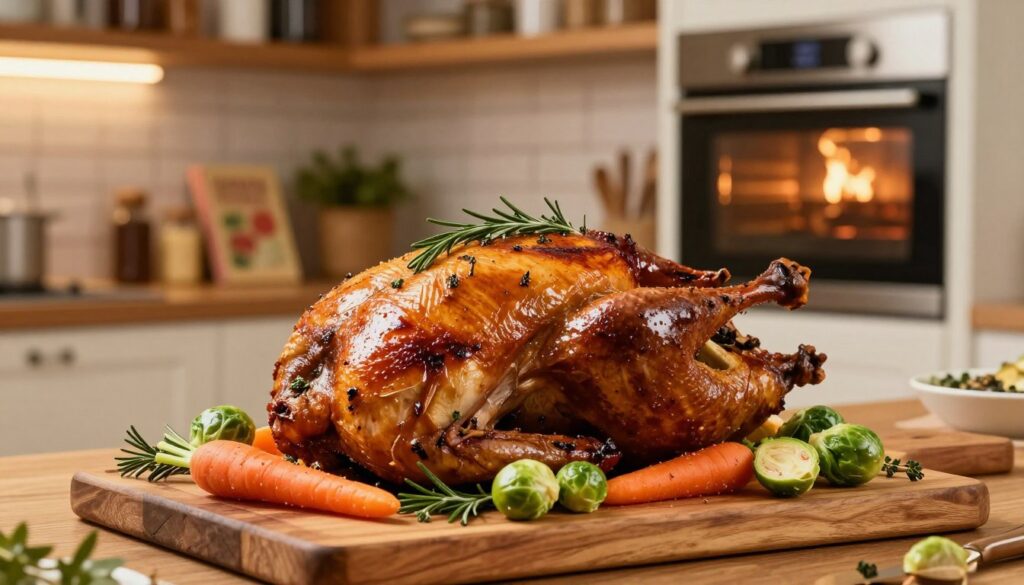
Every home cook dreams of making a dish that wows everyone. My crispy roast duck recipe does just that. It turns your holiday table into a feast that will amaze your guests.
The Magic of Crispy Duck Skin
Getting the skin of the duck crispy is an art. My recipe makes sure the skin is golden and crackles with every bite. The secret is in a few steps:
- Scoring the skin to help render fat
- Dry brining to enhance moisture retention
- Slow roasting to create maximum crispiness
The result is a duck with skin as crisp as a chip. It’s not greasy, just savory. The honey-balsamic glaze adds a sweet caramelization that makes the dish even better.
Perfect for Special Occasions and Gatherings
A whole roasted duck may serve fewer people than a turkey. But its rich flavor makes small portions very satisfying. It’s perfect for special events like anniversaries, birthdays, or holidays.
Whether it’s Thanksgiving, Christmas, or New Year’s Eve, this crispy duck recipe will be a hit. It will be the star of your holiday table.
Essential Ingredients and Tools for Your Roast Duck Recipe
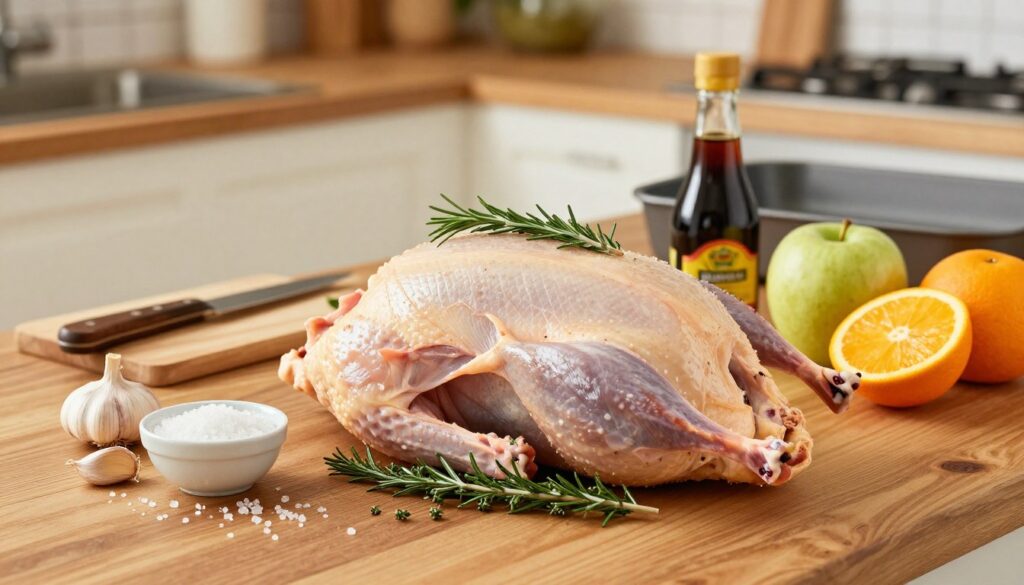
Starting with the right ingredients and tools is key to a perfect roast duck. Choosing the right duck and preparing it well is important. I’ll show you how to make a delicious duck dish that will wow your guests.
Selecting Your Duck
For roasting, pick a fresh or thawed Pekin duck, 4-6 pounds. The right marinade can turn a simple duck into a feast. Let it thaw in the fridge for 24-48 hours for even cooking and easy giblet removal.
Essential Ingredients
- 1 whole duck (4-6 pounds)
- Salt and black pepper
- Fresh herbs (thyme, marjoram, rosemary)
- Garlic cloves
- Lemon
- Optional stuffing ingredients:
- Apples
- Fresh herbs
Must-Have Cooking Tools
For perfect cooking, you need the right tools. Here’s what you’ll need for your roast duck:
- Large roasting pan with a rack
- Internal meat thermometer
- Butcher’s twine
- Paper towels
- Heat-proof container for duck fat
Temperature Guide
Knowing the right cooking temperature is key. Here are the internal temperature targets:
- Well-done (USDA recommended): 165°F
- Medium: 140°F
- Medium-rare: 130°F
With these ingredients and tools, you’re set to make a stunning roast duck. It will be the star of your meal.
Step-by-Step Guide to Preparing and Roasting Your Duck
Preparing a perfect slow roasted duck needs care and patience. I’ll guide you through each key step. This will help you make a dish as tasty as the best Peking duck recipes.
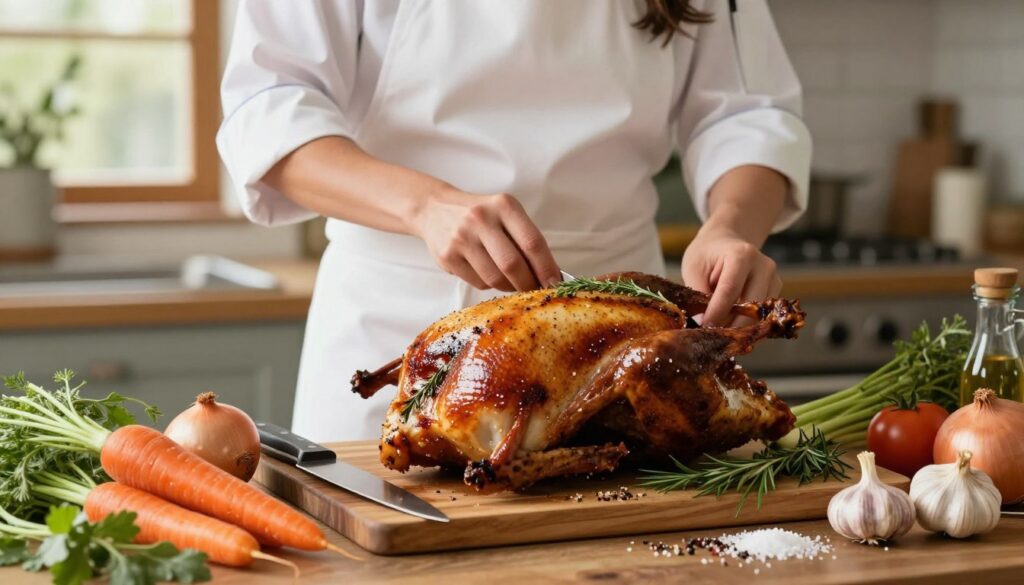
Preparing the Duck: Essential Techniques
Begin by removing the giblets and cleaning your duck well. Dry the skin completely. This step is key for a crispy exterior, like in Chinese five-spice duck.
- Carefully score the duck’s skin in a diamond pattern
- Poke small holes to help fat render during cooking
- Season generously with salt inside and outside the cavity
The Three-Stage Roasting Method
My favorite roasting method makes the meat tender and the skin crispy. Follow these stages:
- Roast breast-side up at 350°F for 40 minutes
- Flip breast-side down and continue roasting
- Return to breast-side up for final glazing and crisping
Creating the Honey-Balsamic Glaze
The glaze is what makes your duck truly special. Mix balsamic vinegar, honey, and lemon juice for a beautiful coating. It caramelizes well in the last roasting stage.
Pro tip: Use a meat thermometer for perfect doneness. Aim for an internal temperature of 155°F. It will reach 165°F while resting.
Serving Suggestions and What to Do with Leftover Duck
After enjoying your perfectly roasted duck, you’ll want to make the most of every delicious morsel. Duck fat potatoes are an incredible way to transform your leftover ingredients into a mouthwatering side dish that will have everyone asking for seconds.
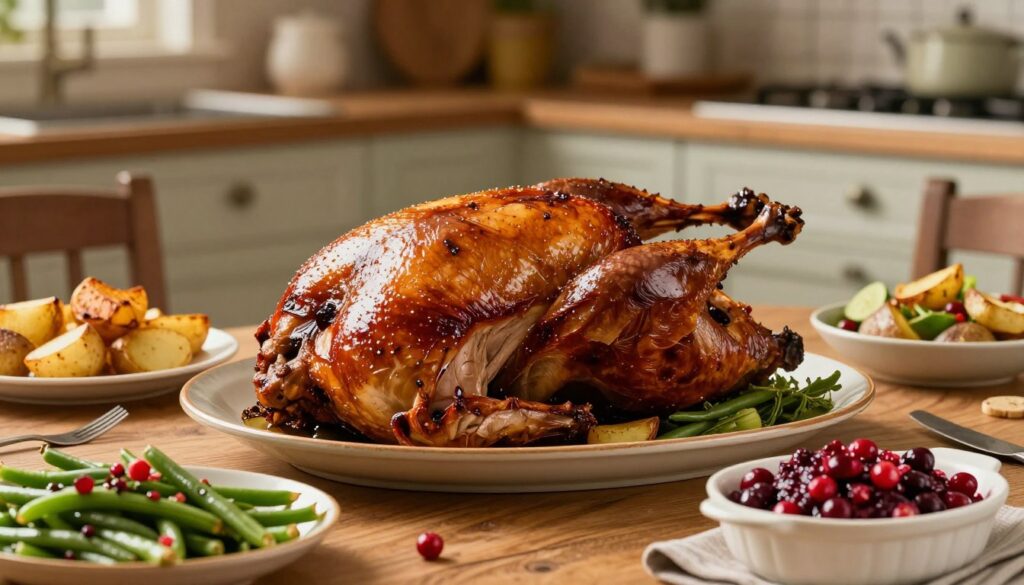
I recommend several delightful serving options to complement your roast duck:
- Roasted Brussels sprouts with balsamic glaze
- Butternut squash with maple syrup
- Creamy mashed potatoes
- Green beans with garlic
For an elegant twist, try preparing an orange sauce for duck that brings a classic French touch to your meal. The citrusy brightness perfectly cuts through the rich duck meat.
Transforming Leftovers into Culinary Magic
Don’t let any part of your duck go to waste! Here are some creative ways to repurpose leftover duck meat:
- Shred and add to fried rice
- Create a hearty grain bowl
- Use in tacos or salads
- Reheat in duck fat and serve over mashed potatoes
The rendered duck fat is liquid gold in the kitchen. Use it to create crispy duck fat potatoes that are impossibly golden and delicious. Roast vegetables, fry eggs, or add a spoonful to your favorite recipes for an extra layer of flavor.
| Leftover Duck Usage | Recommended Preparation |
|---|---|
| Duck Meat | Shred and use in various dishes |
| Duck Fat | Roast potatoes, vegetables, fry eggs |
| Duck Bones | Make rich, flavorful stock |
Pro tip: Save the duck carcass to make a rich, aromatic stock perfect for soups and sauces. With these ideas, one roast duck can provide multiple delicious meals!
Conclusion
Cooking a roast duck recipe might seem tough at first. But, I assure you, it’s definitely doable. With the right techniques and patience, you can turn a simple duck into a stunning centerpiece. It will surely impress everyone at your table.
The secret to success is in the details. Scoring the skin right is key for that crispy exterior. Using a meat thermometer ensures perfect doneness. Each step boosts your confidence as a home cook.
The three-stage roasting method guarantees juicy, flavorful meat every time. Plus, you get to save the duck fat for future meals. And, you can use the bones to make a rich, flavorful stock. These extra steps make your roast duck recipe truly extraordinary.
Whether it’s for a holiday feast or a special treat, this recipe will make you feel like a pro chef. I encourage you to dive into this adventure. Trust the process and enjoy every step of making this incredible roast duck recipe.
Your kitchen will be filled with amazing aromas. And, your dining table will show off a dish that looks like it came from a restaurant. It’s a celebration of your culinary skills.
FAQ
How long does it take to roast a whole duck?
Roasting a whole duck takes about 3 hours. This includes minimal time spent actively cooking. The method involves cooking at different temperatures and flipping the duck for even cooking and fat rendering.
What type of duck should I buy for this recipe?
Buy a Pekin (or Long Island) duck for this recipe. It’s the most common type in American stores. Choose a duck weighing 4-6 pounds. Make sure it’s fresh or thawed in the fridge for 24-48 hours before cooking.
How do I ensure crispy duck skin?
For crispy skin, dry the duck well and score the skin in a diamond pattern. This lets the fat render out, making the skin crisp. Pat the duck dry with paper towels before roasting.
What internal temperature should the duck reach?
The duck should reach 165°F for safe eating, as the USDA recommends. You can choose to cook it to 165°F for well-done, 140°F for medium, or 130°F for medium-rare. Always check with a meat thermometer, focusing on the thigh and breast.
Can I make this duck recipe in advance?
You can prepare parts of the recipe ahead of time. Dry and season the duck the night before, keeping it uncovered. The rendered fat can be stored for up to a week for future cooking.
What can I do with leftover duck?
Leftover duck is great for many dishes. Shred it for fried rice, noodle soups, or salads. Use the bones for a rich duck stock. The rendered fat is perfect for cooking potatoes, roasting veggies, or frying eggs.
What sides pair well with roast duck?
Sweet and tart flavors go well with duck. Try roasted Brussels sprouts, butternut squash, or creamy mashed potatoes. Orange, cherry, or cranberry sauces also complement the meat well.
Can I use a different glaze instead of honey-balsamic?
Yes, you can try different glazes. Duck à l’orange sauce, cherry glaze, or cranberry reduction are all good options. The goal is to balance sweet and tangy flavors.
How many people does a whole duck serve?
A 6-pound duck serves 4-6 people. The meat is rich, so you’ll want smaller portions. It’s great for small holiday gatherings or special dinners.
Can I make this recipe with a different type of duck?
You can use other duck types like Muscovy or Moulard. Just adjust cooking times based on the duck’s weight. Use the same techniques for scoring, rendering fat, and getting crispy skin.
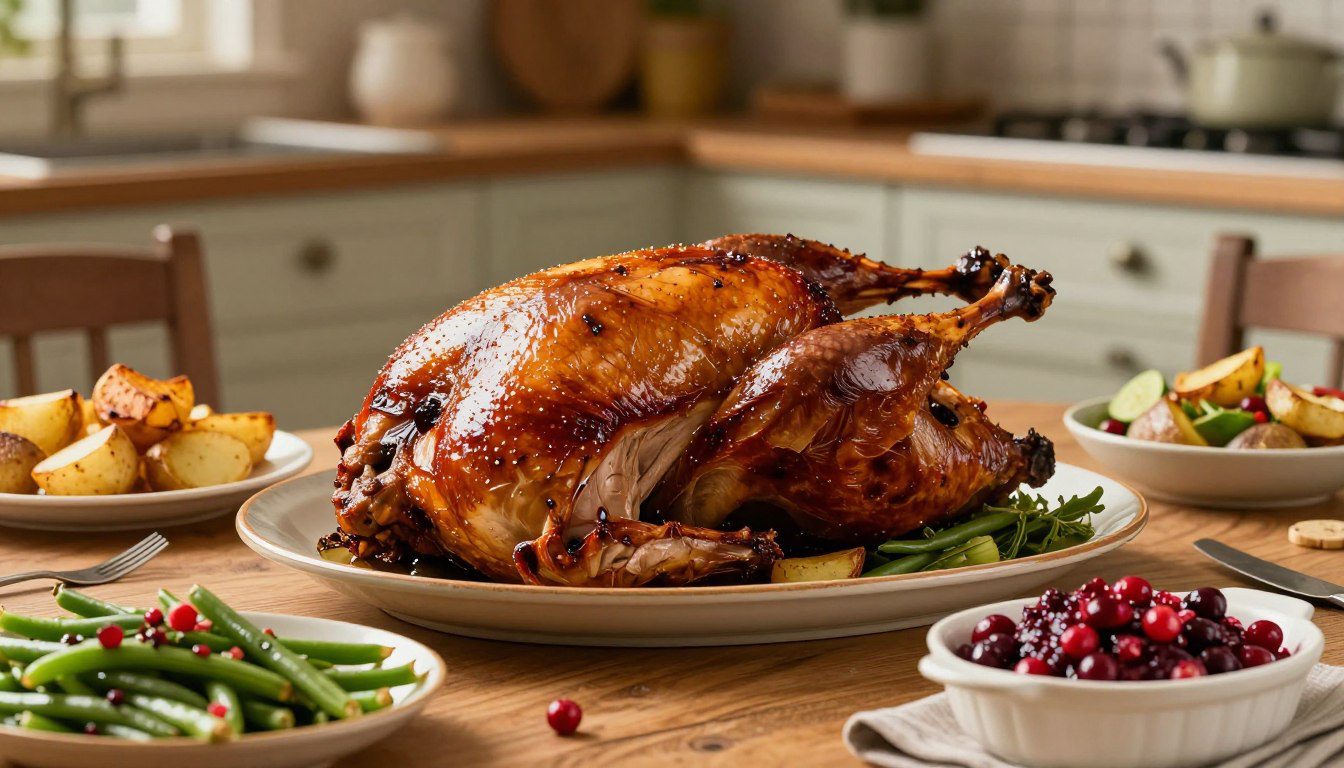
Delicious Roast Duck Recipe
A crispy and flavorful roast duck recipe with golden skin and tender juicy meat. This oven-roasted duck is seasoned with garlic, herbs, and simple spices, making it perfect for special dinners or holiday meals.
Ingredients
Equipment
Method
Preheat the Oven
Preheat the oven to 375°F (190°C).Prepare the Duck
Remove giblets from the cavity and pat the duck dry with paper towels.Score the Skin
Use a sharp knife to lightly score the skin, especially around the fatty areas. This helps the fat render during roasting.Season the Duck
Rub olive oil, salt, pepper, garlic, thyme, and rosemary all over the duck and inside the cavity.Add Aromatics
Place onion, lemon, carrot, and celery inside the cavity for extra flavor.Roast the Duck
Place the duck breast-side up on a rack in a roasting pan and roast for about 2 hours, occasionally draining excess fat from the pan.Crisp the Skin
During the last 10–15 minutes, brush the duck with honey and increase oven temperature slightly for extra crispy skin.Rest the Duck
Remove from the oven and let the duck rest for 10–15 minutes before carving.Serve
Carve the duck and serve with roasted vegetables, potatoes, or salad.
Notes
Nutrition Information (Per Serving)
| Nutrient | Amount |
|---|---|
| Calories | 450 kcal |
| Protein | 30 g |
| Carbohydrates | 2 g |
| Fat | 35 g |
| Saturated Fat | 10 g |
| Cholesterol | 120 mg |
| Sodium | 500 mg |
| Fiber | 0 g |
| Sugar | 1 g |
Pour off the rendered duck fat every 30 minutes during roasting to help the skin turn extra crispy instead of greasy. 🦆