The Best Fluffy Pancakes recipe you will fall in love with. Full of tips and tricks to help you make the best pancakes.
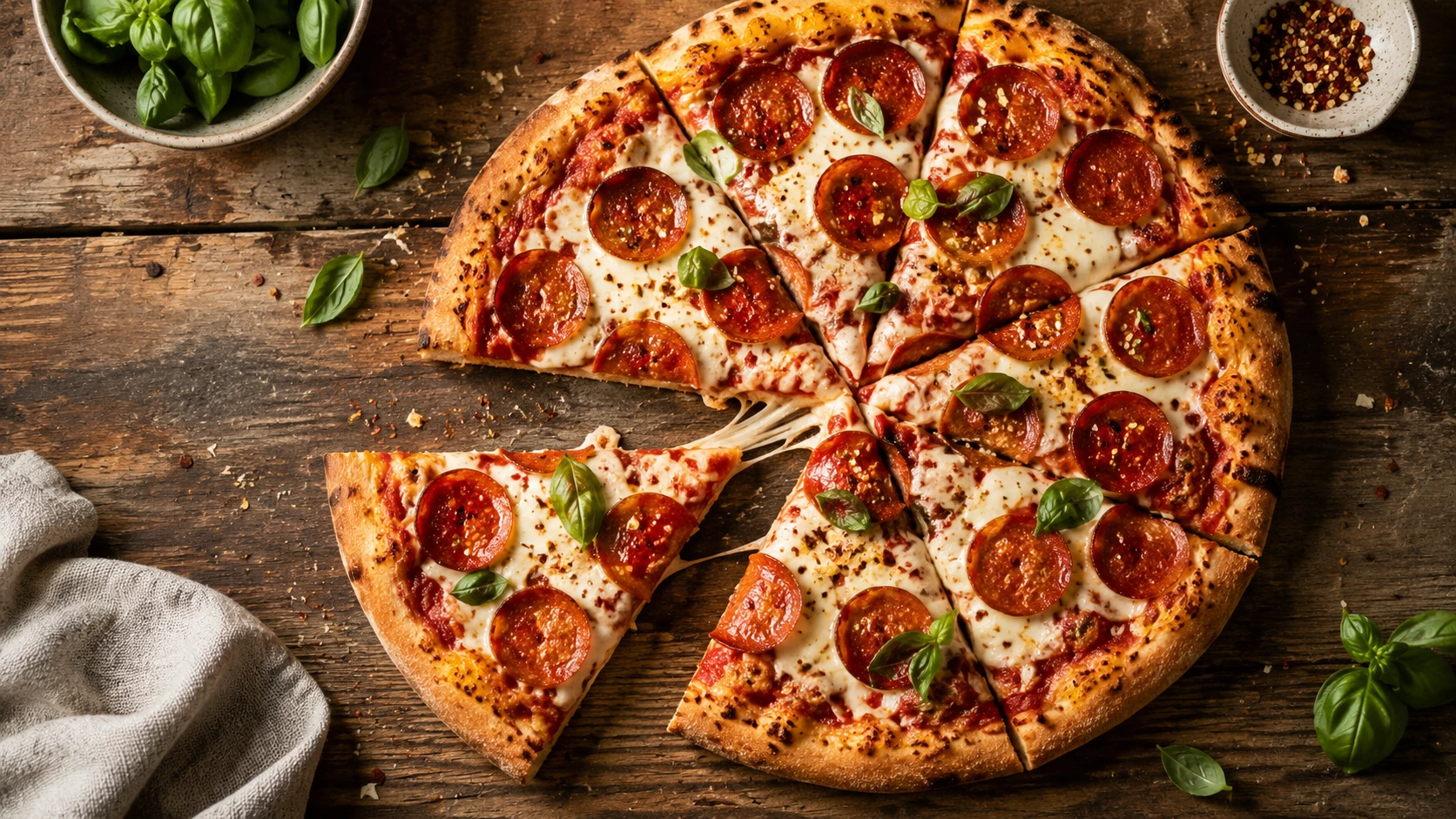
High Protein Pizza (Easy Recipe With 35g+ Protein Per Serving)

Pizza and high-protein eating don’t usually belong in the same sentence.
Most pizza is heavy on refined carbs, light on protein, and gone in about four bites before you’re hunting for a snack an hour later. You know the drill: greasy box, half-hearted salad on the side because you feel guilty, and zero chance it’s helping you hit your goals.
This high protein pizza changes that math entirely.
With a protein-packed crust, a generous layer of cheese, and toppings you can customize to whatever’s in your fridge, you get to keep pizza night and hit your protein target. No kale substitute required.
What you’ll learn in this guide:
- How to make high protein pizza from scratch
- The best protein-rich crust options (and how they compare)
- Easy ways to add more protein without losing flavor
- Meal prep and storage tips that actually work
- Healthy topping combos worth trying
Table of Contents
Why You’ll Love This High Protein Pizza
High Protein. We’re talking 35g+ protein per serving — roughly the same as a chicken breast, except it’s wrapped in melted mozzarella.
Crispy & Cheesy. This isn’t a sad, cardboard-flavored “diet” pizza. It bakes up golden and crisp, and tastes like the real thing.
Easy to Customize. Swap the toppings, swap the crust, keep the protein. It bends to whatever you’re craving.
Meal Prep Friendly. Slices reheat well, which makes this a legitimately good lunch or dinner option for a busy week.
Family Approved. Even the people in your house who roll their eyes at “healthy” food tend to come back for seconds.
What Makes Pizza High in Protein?
Protein in this pizza comes from three places working together, not just one hero ingredient.
Protein-Rich Crust
- Cottage cheese
- Greek yogurt
- Chicken (yes, an entire crust made from it)
Cheese
- Mozzarella
- Part-skim mozzarella
- Parmesan
Protein Toppings
- Chicken
- Turkey pepperoni
- Lean beef
- Turkey sausage
Stack a protein crust with a solid cheese layer and a lean topping, and you’ve quietly built a pizza that eats like comfort food but performs like a protein shake.
Ingredients
For the High Protein Pizza Dough
- Flour
- Greek yogurt or cottage cheese
- Baking powder
- Salt
Pizza Sauce
- Pizza sauce or marinara
Cheese
- Mozzarella
- Parmesan
Toppings
- Chicken breast
- Turkey pepperoni
- Vegetables of choice
How to Make High Protein Pizza
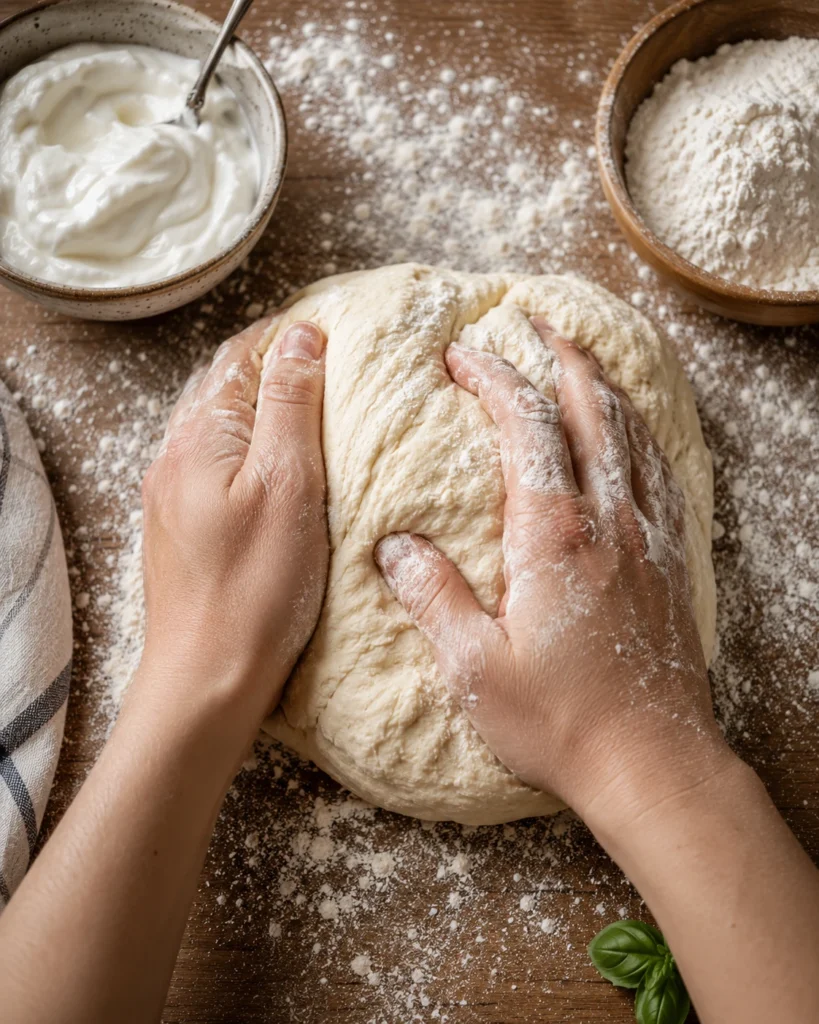
- Prepare the dough. Mix your flour with Greek yogurt or cottage cheese, baking powder, and a pinch of salt until it comes together into a workable dough.
- Shape the crust. Press or roll it out onto a baking sheet or pizza stone, however thick you like it.
- Pre-bake the crust. This step matters more than people think — skip it, and you’ll end up with a soggy middle.
- Add sauce, cheese, and toppings. Layer it up the way you would any pizza.
- Bake until golden and crispy. You’re looking for color on the cheese and a crust that holds its shape when you pick up a slice.
- Slice and serve. Let it sit for a minute or two before cutting — it makes for cleaner slices.
Best High Protein Pizza Crust Options
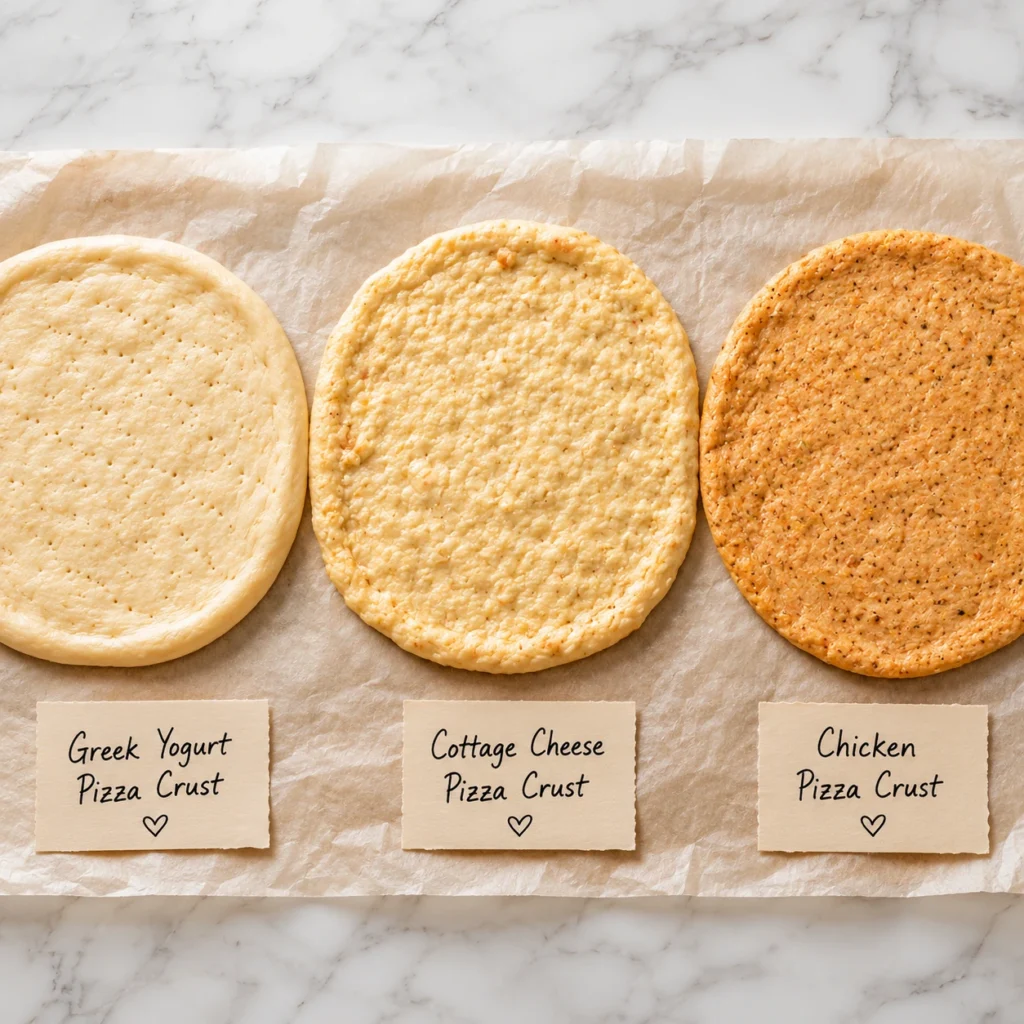
Not all protein crusts are created equal. Here’s how the main options stack up against each other.
| Crust Type | Protein Level | Texture | Best For |
| Greek Yogurt Dough | High | Chewy, classic pizza feel | Beginners, easy weeknight pizza |
| Cottage Cheese Crust | Higher | Softer, slightly denser | Extra protein without extra effort |
| Chicken Crust | Very High | Firm, almost like a thick cutlet | Low-carb eaters, max protein per slice |
| Store-Bought Protein Crust | Varies | Convenient, consistent | Busy nights, no time to make dough |
Greek Yogurt Pizza Dough
Easy to make, beginner-friendly, and it tastes the closest to “real” pizza dough of any option here. If this is your first high protein pizza, start here.
Cottage Cheese Pizza Crust
A step up in protein, with a softer bite. Blending the cottage cheese smooth before mixing it in helps avoid any curdy texture in the finished crust.
Chicken Crust Pizza
The most protein-dense, lowest-carb option on this list. It’s less “bread,” more “protein base that happens to hold toppings” — which is exactly what some people are after.
Store-Bought Protein Pizza Crusts
If you’re short on time, several brands now sell ready-made high protein crusts in the frozen aisle. They’re not going to beat homemade on flavor, but they’re a fair trade for convenience on a busy Tuesday.
How to Add More Protein to Pizza
Already have a pizza you love? Here’s how to boost the protein without rebuilding the whole recipe.
Use Extra Lean Meat
- Chicken
- Turkey pepperoni
- Turkey sausage
Add More Cheese
Reach for higher-protein cheeses, or just add a bit more of what you’re already using.
Use Cottage Cheese
Blend it into your sauce or work it into the dough for a protein boost that barely changes the flavor.
Add Protein-Rich Veggies
Spinach and mushrooms won’t move the needle as much as meat or dairy, but they add bulk, fiber, and a little extra protein for very few calories.
High Protein Pizza Variations
Once you’ve got the base recipe down, here’s where it gets fun.
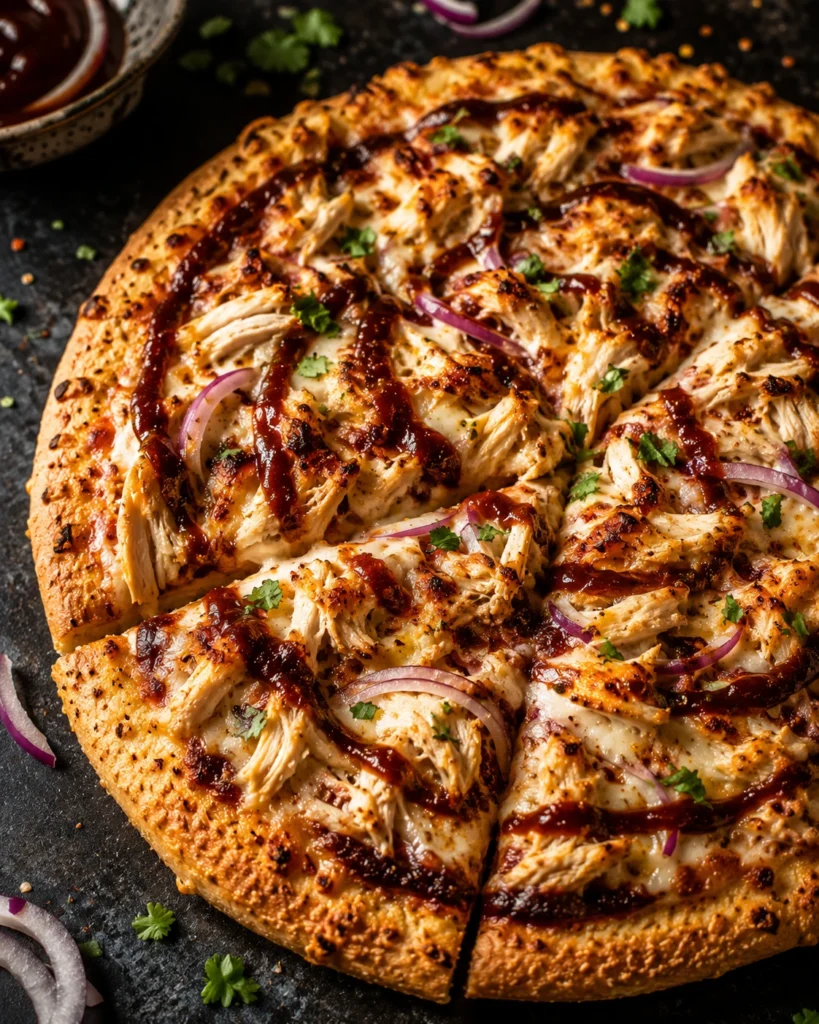
BBQ Chicken High Protein Pizza — smoky, sweet, and built around shredded chicken breast.
Pepperoni Protein Pizza — the classic, made healthier with turkey pepperoni instead of the traditional kind.
Buffalo Chicken Protein Pizza — for anyone who wants their pizza to bring some heat.
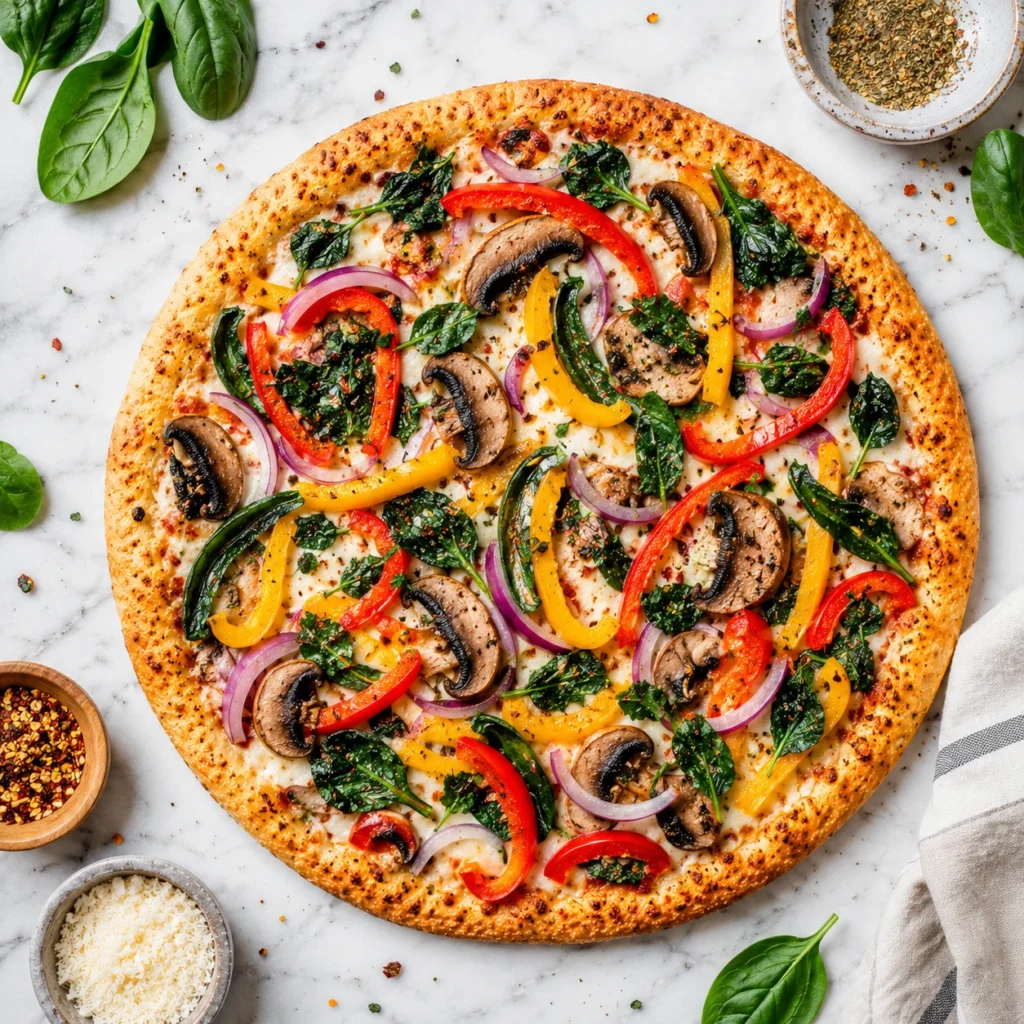
Veggie High Protein Pizza — loaded with vegetables for a lighter, fiber-forward option.
Breakfast Protein Pizza — eggs, turkey sausage, and cheese on a protein crust. Brunch, solved.
Try these high protein recipes for more easy and healthy meals.
High Protein Pizza for Weight Loss
Why Protein Helps You Stay Full
Protein is the most filling of the three macronutrients, which means a high protein slice tends to satisfy you with less food overall — useful if you’re managing your weight.
Lower-Calorie Swaps
- Reduced-fat cheese
- Extra vegetables
- Lean meats only (skip the fattier toppings)
Portion Tips
Because this pizza is more filling than a standard slice, you may find that two slices and a side salad does the job where three slices of regular pizza wouldn’t.
High Protein Pizza for Muscle Building
Increase Calories Strategically
If your goal is building muscle rather than losing weight, this same base recipe scales up easily:
- More cheese
- More meat
- Larger portions overall
Post-Workout Meal Option
A protein-and-carb combo like this fits well after training, when your body is primed to use both for recovery. It’s a far more satisfying choice than a protein bar eaten standing over the sink.
Nutrition Information
Nutrition will vary depending on your exact crust and toppings, but here’s a general idea per serving for a standard recipe:
| Nutrient | Approximate Amount |
| Calories | 350–450 |
| Protein | 35g+ |
| Carbohydrates | 25–35g |
| Fat | 12–18g |
| Fiber | 2–4g |
A Note on Pizza and Specific Health Conditions
If you’re managing diabetes, kidney disease, or acid reflux, pizza isn’t automatically off-limits — but the details matter more than they do for most people.
For blood sugar management, a thinner, protein-forward crust with vegetable toppings and a controlled portion size tends to have a gentler effect than a thick, heavily sauced slice. For kidney health, cheese and processed meats can be a concern because of sodium and phosphorus content, so portion size and ingredient choice matter quite a bit. For acid reflux, a lighter tomato sauce or a swap to a lower-acid sauce, along with going easy on fatty toppings, tends to sit better for most people.
None of this is a substitute for guidance from your doctor or a registered dietitian, especially if you’re managing one of these conditions — they can help you figure out exactly how a recipe like this fits into your specific plan.
Meal Prep & Storage
How Long Does High Protein Pizza Last?
Stored properly, you’re looking at about 3–4 days in the fridge.
Refrigerator Storage
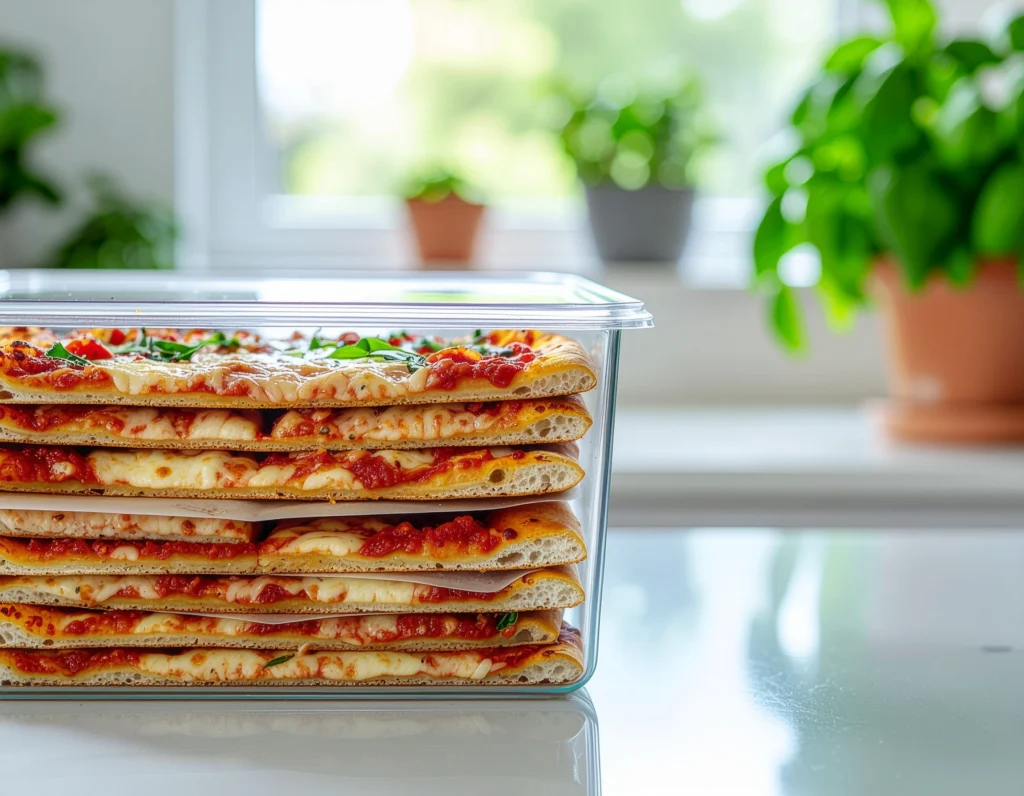
Keep slices in an airtight container once they’ve cooled completely.
Freezing Instructions
This recipe freezes well, which makes it a genuinely good meal prep option — bake, cool, freeze, and you’ve got lunch sorted for weeks.
Reheating Tips
An air fryer or oven beats the microwave every time here. You’ll get that crisp crust back instead of a soft, slightly sad reheated slice.
Common Mistakes to Avoid
- Under-baking the crust — leads to a soggy center that won’t hold up to toppings.
- Using too many toppings — overloading the pizza makes it soggy and hard to slice cleanly.
- Skipping the pre-bake — this step is what gives the crust its structure.
- Using watery ingredients — drain and pat dry anything with high water content before adding it.
- Overloading sauce — a thin, even layer beats a thick, heavy one.
FAQ
Is high protein pizza healthy?
Yes, generally. It’s higher in protein and often lower in refined carbs than traditional pizza, which makes it a more balanced option for most people.
How much protein does high protein pizza have?
This recipe delivers 35g+ of protein per serving, depending on your exact crust and topping choices.
Can I make high protein pizza without protein powder?
Absolutely. This recipe doesn’t use protein powder at all — the protein comes from Greek yogurt, cottage cheese, cheese, and lean meat toppings.
What is the best high protein pizza crust?
It depends on your priorities. Greek yogurt dough is the easiest and most pizza-like. Cottage cheese crust pushes the protein higher with a softer texture. Chicken crust maximizes protein and minimizes carbs.
Can I use cottage cheese in pizza dough?
Yes — blend it smooth first so you don’t end up with a lumpy texture in the finished crust.
Is high protein pizza good for weight loss?
It can be a helpful tool, since the higher protein content tends to keep you fuller for longer on fewer calories than a traditional slice.
Can I meal prep high protein pizza?
Definitely. It holds up well in the fridge for a few days and reheats nicely in an oven or air fryer.
Can I freeze homemade pizza?
Yes — this is one of the better make-ahead meals out there. Bake, cool completely, then freeze for up to a few months.
Final Thoughts
High protein pizza proves you don’t have to choose between eating well and eating something you actually want to eat. Pick a crust that fits how you cook, load it with toppings you’re excited about, and you’ve got a meal that pulls double duty: it satisfies the craving and it fits the goal.
Give it a try this week — and if you land on a topping combo you love, drop it in the comments. Pizza night just got a lot more interesting.
High Protein Pizza
A protein-packed pizza with a Greek yogurt or cottage cheese crust, loaded with cheese and lean toppings — 35g+ protein per serving.
Ingredients
Equipment
Method
- Preheat the oven to 450°F (230°C).
- In a large bowl, mix the flour, Greek yogurt or cottage cheese, baking powder, and salt until a dough forms.
- Turn the dough out onto a floured surface and shape it into a round crust, about 1/4 inch thick.
- Transfer the crust to a baking sheet or pizza stone and pre-bake for 8–10 minutes, until just set.
- Remove from the oven and add the pizza sauce, mozzarella, parmesan, chicken, turkey pepperoni, and vegetables.
- Return to the oven and bake for 10–12 minutes, until the cheese is melted and golden and the crust is crisp.
- Let the pizza rest for 2–3 minutes, then slice and serve.
Notes
- For a lower-carb version, swap the dough for a chicken crust.
- Pat down any high-water-content vegetables (like mushrooms) with a paper towel before adding them to avoid a soggy crust.
- Leftovers keep in the refrigerator for 3–4 days and freeze well for up to 2 months
Nutrition Facts (per serving, 1 of 4)
| Nutrient | Amount |
|---|---|
| Calories | 400 |
| Protein | 35g |
| Carbohydrates | 30g |
| Fat | 15g |
| Fiber | 3g |
| Sodium | 680mg |
Pre-bake the crust before adding toppings — this is the single biggest factor in whether your crust ends up crisp or soggy. Skipping it lets the sauce and cheese soak straight into raw dough, especially with a cottage cheese or Greek yogurt crust, which holds more moisture than a traditional flour-only dough.