
The Best Fluffy Pancakes recipe you will fall in love with. Full of tips and tricks to help you make the best pancakes.
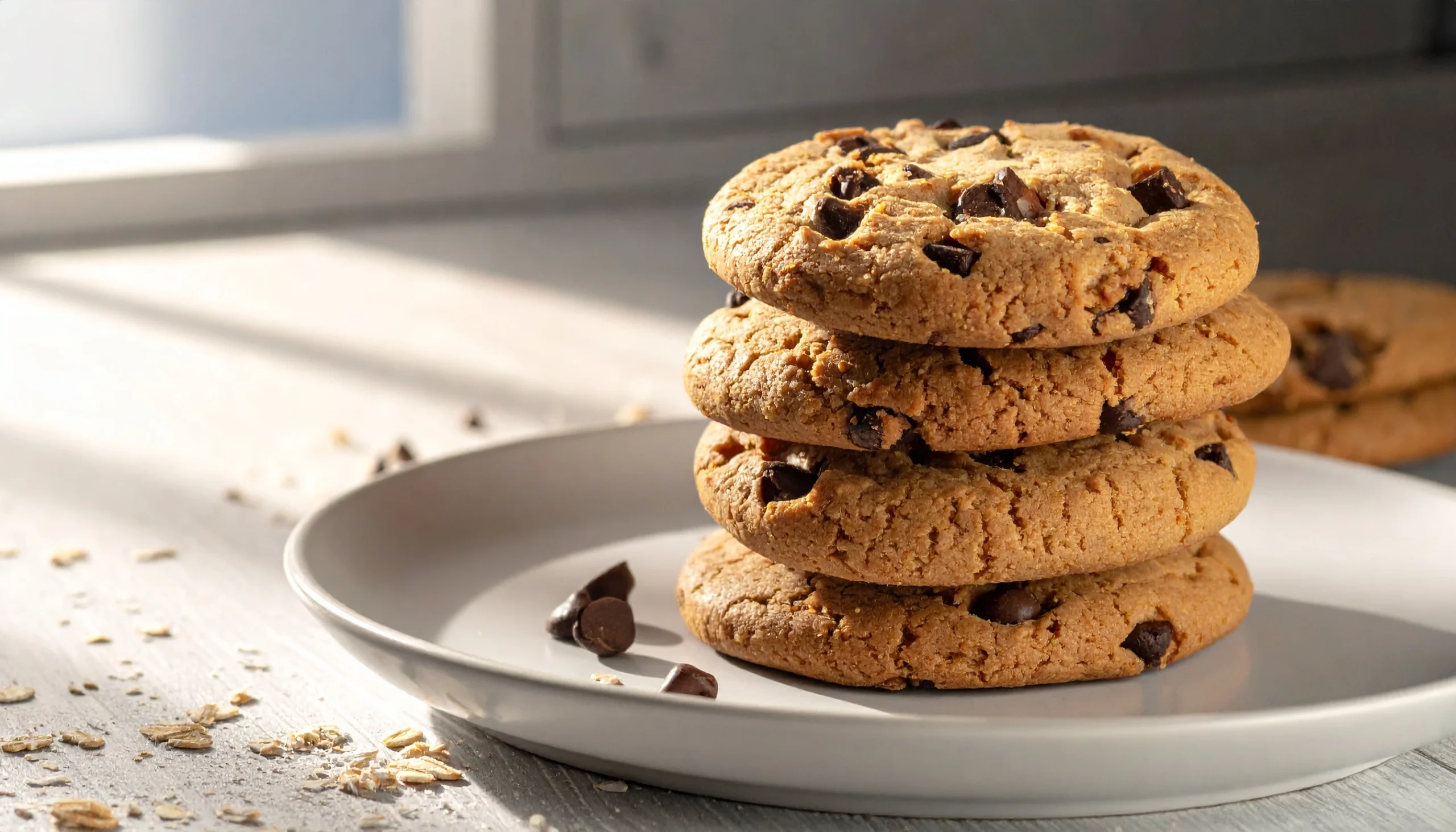
Healthy High Protein Cookies (No Protein Powder Option)

Recipe at a Glance
| Prep Time 10 min | Cook Time 12 min | Total Time 22 min | Servings 12 cookies |
| Calories ~130 per cookie | Protein ~12g per cookie | Difficulty Easy | Diet High Protein, Low Cal |
Maybe some of us don’t believe in “healthy cookies” — it can sound like a contradictory term. Well, once you try these high protein cookies, trust me, you’ll change your mind.
This recipe is not a bland, tasteless healthy substitute. These are delicious cookies — soft, chewy, and golden — that also pack around 12 grams of protein per piece. You can grab two of them after a workout and actually feel like you’ve had something genuinely tasty, not a punishment.
Most store-bought protein cookies are dry, chalky, or somehow manage to taste like vitamins. These don’t. They’re truly a win-win: you can make them in about 22 minutes, with simple ingredients you probably already have on hand.
If you’re looking for cookies that are easy to make, delicious, and healthy at the same time — this high protein recipe fits the bill perfectly. And yes, there’s a no-protein-powder option too.
Table of Contents
Why You’ll Love These High Protein Cookies
- High protein per cookie — around 10-15g depending on your ingredients
- Soft and chewy texture (not the rock-hard brick most protein recipes produce)
- Easy to make with simple, familiar ingredients
- Customizable for gluten-free, vegan, or low-calorie diets
- Perfect for meal prep — they store great all week
What Makes These Cookies High in Protein
Good question. The secret isn’t magic — it’s just smart ingredient choices. Here’s what does the heavy lifting:
Protein Powder (optional but effective): Whey protein blends seamlessly into baked goods. Plant-based protein (pea, brown rice) works great too if you’re dairy-free. Each scoop adds roughly 20-25g protein to the whole batch.
Greek Yogurt: This is your secret weapon if you want to skip protein powder entirely. A half cup of full-fat Greek yogurt adds moisture, creaminess, and about 10g of protein. It also keeps cookies from drying out.
Nut Butter: Peanut butter, almond butter, or cashew butter each contribute 7-8g of protein per two tablespoons. They also give the cookies richness and that satisfying “real food” flavor.
Eggs or Egg Whites: One whole egg adds about 6g of protein and acts as the binder. Swap for two egg whites to cut fat while keeping the protein hit.
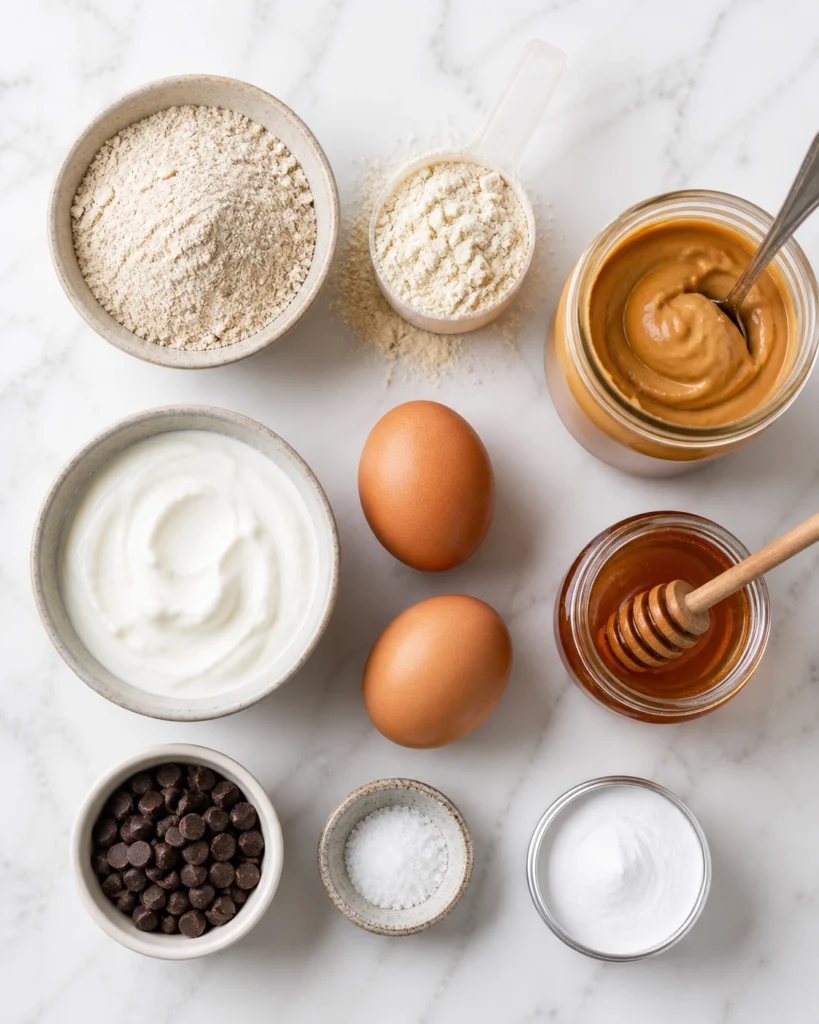
Ingredients (Base Recipe)
Base Ingredients
- 1 cup oat flour (or all-purpose flour)
- 1 scoop vanilla or chocolate protein powder (~30g)
- 1/2 cup natural peanut butter (or almond butter)
- 1/3 cup Greek yogurt, plain
- 1 large egg
- 3 tablespoons honey or maple syrup (or monk fruit sweetener for low-cal)
- 1/2 teaspoon baking soda
- Pinch of salt
Optional Add-Ins
- 1/4 cup dark chocolate chips
- 1 tablespoon cocoa powder (for a chocolate version)
- 1/4 cup rolled oats for extra texture
- 1 teaspoon vanilla extract
Ingredient Substitutions (For Every Diet)
One of the things I love most about this recipe is how flexible it is. Here’s a quick reference chart:
| If You Want | Skip | Use Instead |
| No protein powder | Whey/plant protein | Greek yogurt + almond flour |
| Vegan | Eggs, whey | Flax egg, plant protein, nut butter |
| Gluten-free | All-purpose flour | Oat flour or almond flour |
| Lower calorie | Honey/maple syrup | Monk fruit sweetener or stevia |
No matter which direction you go, the cookie dough should come together similarly — soft, slightly tacky, and easy to roll into balls.
How to Make High Protein Cookies (Step-by-Step)
- Preheat your oven to 350 degrees F. Line a baking sheet with parchment paper.
- Mix the wet ingredients first: combine peanut butter, Greek yogurt, egg, and honey in a large bowl. Stir until smooth and uniform.
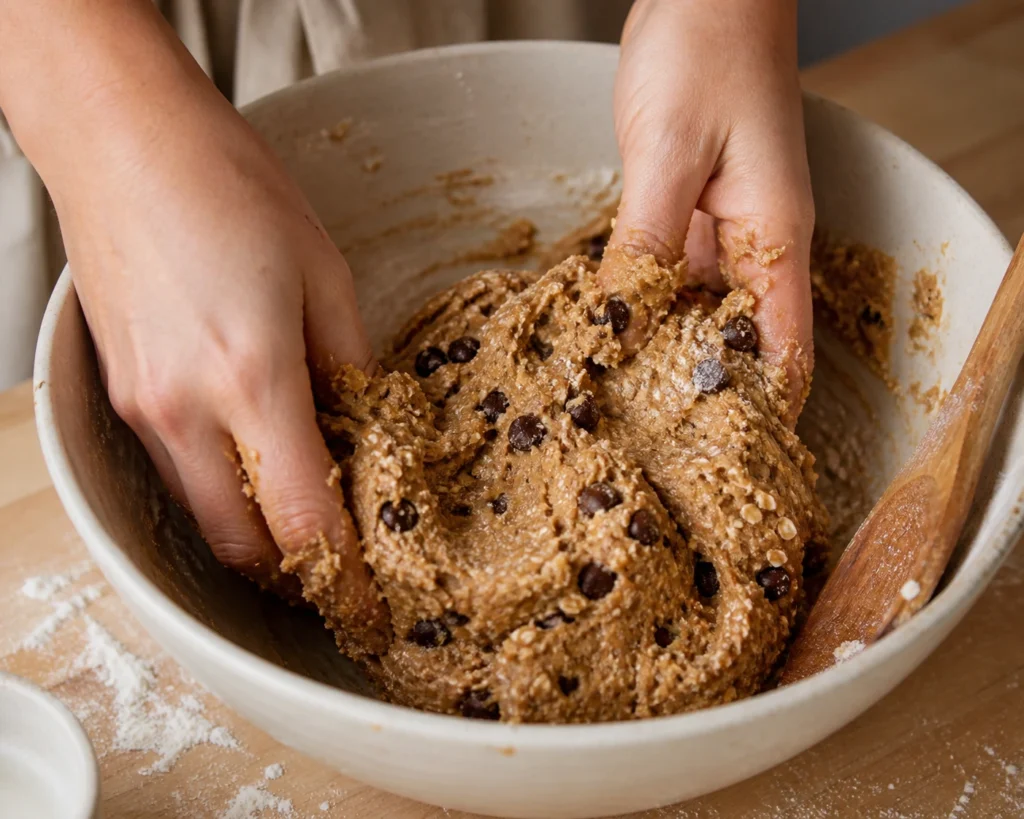
- Add the dry ingredients: stir in the oat flour, protein powder, baking soda, and salt. Mix until a thick dough forms. The dough should be soft but not sticky — if it clings to your hands, add a tablespoon of flour.
- Fold in any add-ins: chocolate chips, cocoa powder, oats. Don’t overmix.
- Scoop and shape: use a cookie scoop or tablespoon to portion the dough. Roll each into a ball, then flatten slightly with your palm. Aim for about 1/2 inch thick — protein cookies don’t spread much.
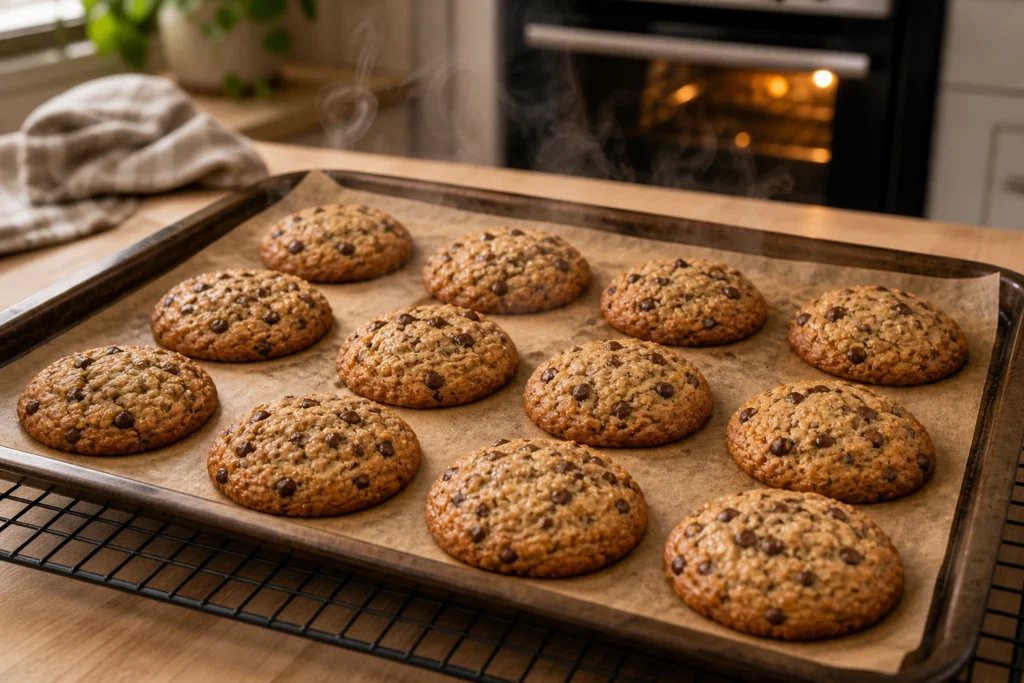
- Bake for 10-12 minutes. Pull them out when the edges are just set. They’ll look slightly underdone in the center — that’s perfect. They firm up as they cool.
- Cool on the pan for 5 minutes before transferring. This step really matters for soft-cookie texture.
More high protein recipes for easy and healthy meals.
Protein Content and Nutrition Info
Here’s why these beat a regular cookie every single time — side by side comparison:
| Nutrient | Regular Cookie | High Protein Cookie |
| Calories | 200-250 | 120-160 |
| Protein | 2-3g | 10-15g |
| Sugar | 18-22g | 6-10g |
| Fat | 10-12g | 5-8g |
These numbers will shift a bit based on your specific protein powder and nut butter, but you’re consistently looking at roughly 10-15g protein per cookie at around 120-160 calories. That’s a genuinely substantial snack, not just a slightly better dessert.
Texture Tips (How to Avoid Dry, Chalky Cookies)
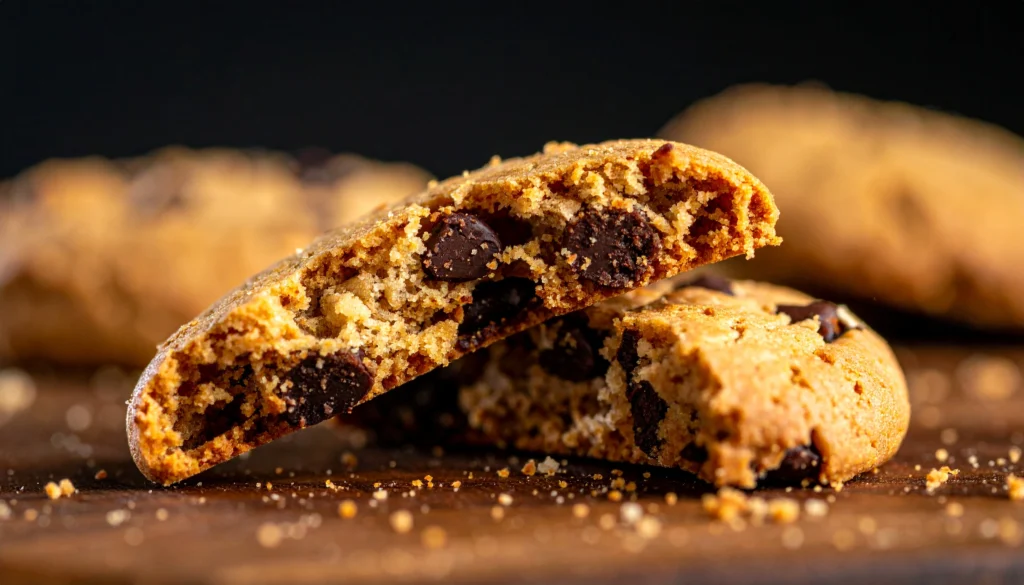
This is where most protein cookie recipes fall apart — and most blogs don’t talk about it honestly. Protein powder absorbs moisture differently than flour. A lot. Here’s how to keep yours soft:
- Don’t overbake. The biggest mistake. Pull them at 11 minutes even if they look a little soft. Trust the process.
- Use Greek yogurt or applesauce alongside protein powder — never protein powder alone as your only “wet” ingredient.
- Whey isolate tends to dry out baked goods more than whey concentrate. If your cookies keep coming out dry, switch to whey concentrate or a casein blend.
- Let the dough rest for 5 minutes after mixing. This gives the oat flour time to absorb moisture, so you get a more accurate dough consistency before baking.
- Store with a slice of bread in the container. Sounds odd, but the bread releases moisture and keeps the cookies soft for days.
Variations
High Protein Cookies Without Protein Powder
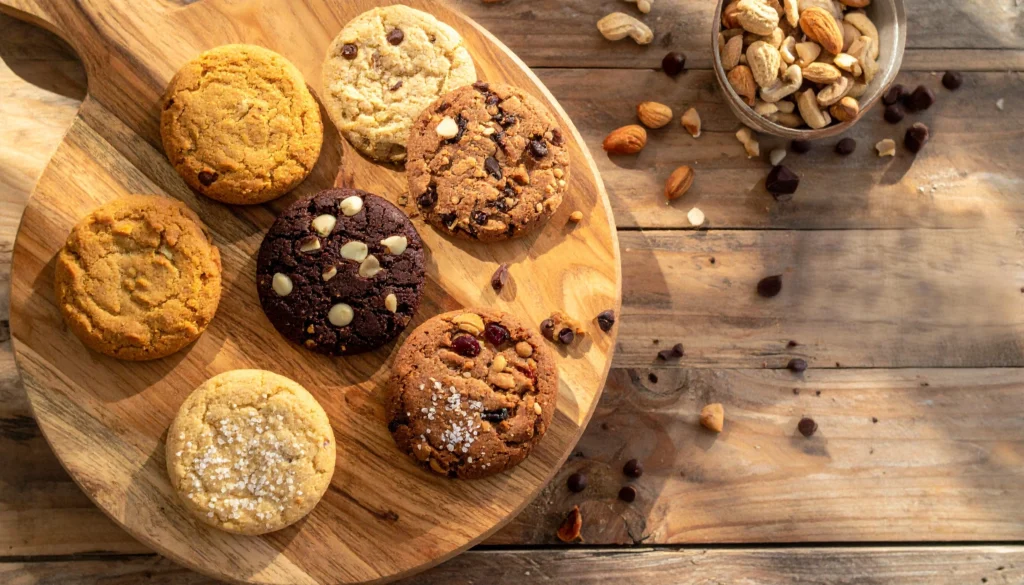
Skip the powder entirely. Double the Greek yogurt to 2/3 cup, add an extra tablespoon of almond butter, and use almond flour instead of oat flour. You’ll still land around 8-10g protein per cookie — completely naturally, no supplement required.
Low Calorie High Protein Cookies
Use egg whites instead of a whole egg, swap honey for a zero-calorie sweetener like monk fruit or erythritol, and use powdered peanut butter (PB2) instead of regular. You can get these down to about 90-100 calories per cookie without sacrificing much on texture.
Vegan High Protein Cookies
Replace the egg with a flax egg (1 tablespoon ground flaxseed + 3 tablespoons water, rested 5 minutes). Use plant-based protein powder and make sure your chocolate chips are dairy-free. The rest of the recipe stays the same.
3-Ingredient Protein Cookies
In a hurry? Mix 1 cup nut butter, 1 scoop protein powder, and 1 egg. That’s it. Bake at 350 degrees for 10 minutes. They won’t be as refined, but they work — and they’re genuinely fast.
Chocolate High Protein Cookies
Add 2 tablespoons of cocoa powder and use chocolate protein powder. Fold in dark chocolate chips. These come out rich and fudgy — the kind of cookie you’d genuinely want to eat, not just tolerate.
Storage and Meal Prep Tips
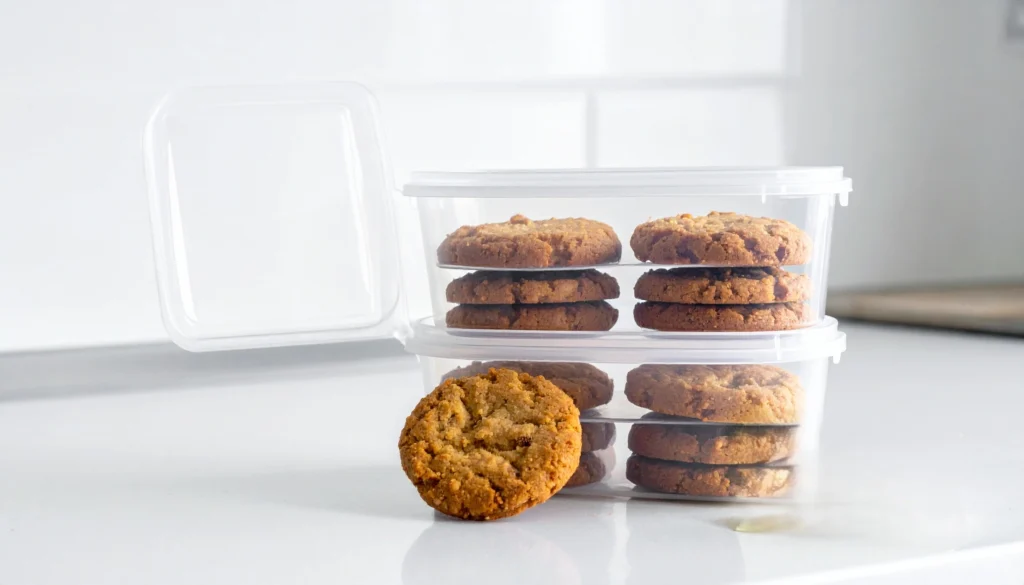
- Room temperature: Store in an airtight container for up to 4 days. Add a slice of white bread to keep them soft.
- Refrigerator: They’ll last up to 7 days. Let them come to room temp before eating or microwave for 10 seconds.
- Freezer: Freeze individually on a sheet pan, then transfer to a bag. They keep for up to 3 months. Thaw overnight in the fridge or pop in the microwave for 30 seconds.
- Meal prep tip: Double the batch on Sunday and you’ve got a high-protein snack sorted for the whole week.
Serving Ideas
- Post-workout fuel: Two cookies with a glass of milk (dairy or oat) gives you a solid protein and carb recovery combo.
- Healthy dessert: Warm one up and pair with a scoop of Greek yogurt “frosting” and fresh berries.
- With your morning coffee: Especially the chocolate version — it’s basically a low-guilt mocha experience.
- Kids’ snack: These are genuinely tasty enough that kids won’t know they’re nutritious. Win.
Frequently Asked Questions
Why are my protein cookies dry?
Almost always, it’s one of two things: you overbaked them, or you used too much protein powder relative to moisture. Pull them out earlier and add a tablespoon more of Greek yogurt or nut butter next time.
Can I make protein cookies without protein powder?
Yes, absolutely. Greek yogurt, nut butter, and eggs are all protein-rich whole-food ingredients that can get you to a respectable protein count without any supplements. See the variation above for exact amounts.
Are protein cookies good for weight loss?
They can support a weight loss goal, yes. Protein is the most satiating macronutrient, meaning high-protein foods keep you fuller longer. A 130-calorie cookie with 12g protein is a far smarter snack than a 250-calorie regular cookie with 2g protein. That said, calories still matter — don’t eat the whole batch in one sitting.
What is the best protein powder for baking?
Whey concentrate tends to bake better than isolate because it holds more moisture. Casein protein creates a thicker, softer texture — excellent for cookies. For plant-based, pea protein is generally the most neutral in flavor. Avoid collagen protein for baking; it behaves very differently.
Can I freeze protein cookies?
Yes, and they freeze beautifully. Freeze on a sheet pan first to prevent sticking, then bag them. Good for up to 3 months. Reheat in the microwave for 25-30 seconds from frozen.
How many calories are in a high protein cookie?
Using this recipe, roughly 120-160 calories per cookie depending on your add-ins. Using low-calorie swaps (monk fruit sweetener, powdered peanut butter), you can get closer to 90-100 calories.
Are protein cookies actually healthy?
Compared to regular cookies? Significantly. More protein, less sugar, fewer empty calories. They’re not a superfood, but they are a smarter choice — especially as a post-workout snack or dessert replacement.
Final Thoughts
High protein cookies are a wonderful blend of indulgent snack and wholesome treat. When you use the right combination of Greek yogurt, nut butter, and (optionally) protein powder, you get something genuinely delicious — soft, chewy, and satisfying enough to leave you completely content.
Give these a try this week. Make a double batch. Stick them in the freezer. And the next time 3pm rolls around and you need something, you’ll be glad you did.
Tried this recipe? Drop a comment below and let me know which variation you made — and how they turned out. I read every single one.
Healthy High Protein Cookies (Soft, Chewy & Low Calorie)
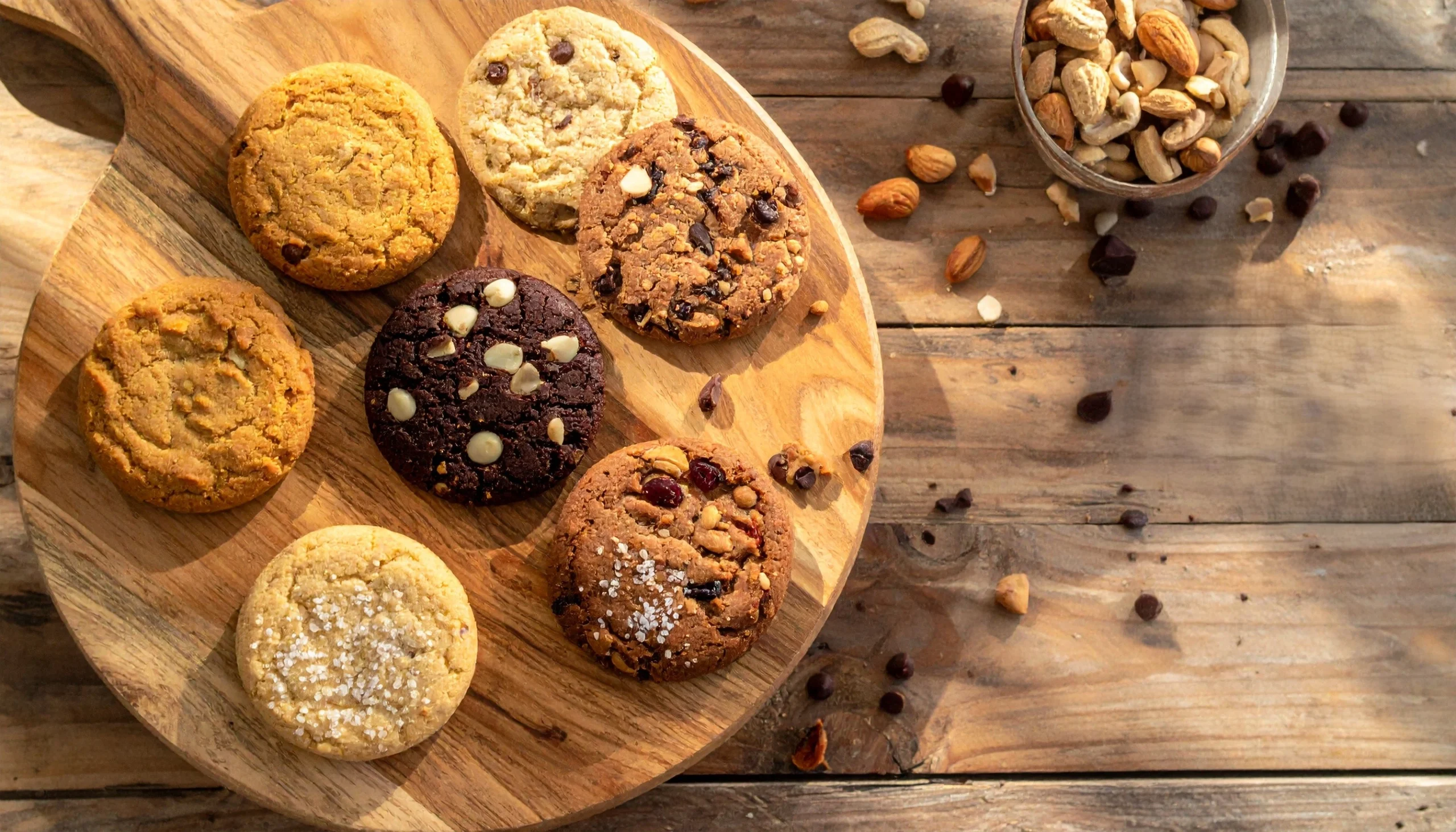
Soft, chewy high protein cookies packed with ~12g protein each. Made with oat flour, peanut butter, and Greek yogurt — no chalky texture, no guilt. Easy 22-minute recipe with vegan, gluten-free, and no-protein-powder options.
Ingredients
Equipment
Method
- Preheat the Oven Preheat your oven to 350°F (175°C). Line a baking sheet with parchment paper.
- Mix the Wet Ingredients In a large bowl, combine peanut butter, Greek yogurt, egg, and honey. Stir until smooth and fully combined.
- Add the Dry Ingredients Add oat flour, protein powder, baking soda, and a pinch of salt. Mix until a thick, soft dough forms. If the dough sticks to your hands, add one tablespoon of flour at a time.
- Rest the Dough Let the dough sit for 5 minutes. This allows the oat flour to absorb moisture and gives you a better read on the consistency.
- Fold In Add-Ins Stir in chocolate chips, cocoa powder, or any other add-ins. Do not overmix.
- Scoop and Shape Use a cookie scoop or tablespoon to portion the dough into 12 equal balls. Place on the prepared baking sheet and flatten each to about ½ inch thick with your palm. Protein cookies do not spread on their own.
- Bake Bake for 10–12 minutes. The edges should be set; the centers may look slightly underdone — that is correct. They firm up as they cool.
- Cool on Pan Leave cookies on the baking sheet for 5 minutes before transferring to a cooling rack. This step is important for achieving a soft, chewy texture.
- Serve or Store Enjoy warm or store for the week. See storage notes below.
Notes
- Don’t overbake. Pull cookies at 11 minutes while the centers still look slightly soft — they’ll finish setting as they cool.
- Greek yogurt keeps them moist. Don’t reduce or skip it, especially when using whey isolate.
- Rest the dough 5 minutes before baking so the oat flour can absorb moisture and prevent flat cookies.
- Protein powder is optional. Replace it with extra Greek yogurt and almond flour for a whole-food version.
- Store airtight for up to 4 days at room temp or freeze for up to 3 months.
🧾 Nutrition (Per Cookie — Based on Base Recipe) |
| Nutrient | Amount (Per Cookie) |
| Calories | ~130 kcal |
| Protein | ~12 g |
| Carbohydrates | ~11 g |
| Sugar | ~7 g |
| Fat | ~6 g |
| Saturated Fat | ~1.5 g |
| Fiber | ~1.5 g |
| Sodium | ~95 mg |
| Cholesterol | ~16 mg |
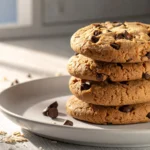
Protein cookies should look slightly underdone when you take them out of the oven. That residual heat is what gives them a soft, chewy texture instead of a dry, cakey one.

[…] High Protein Cookies […]
[…] High Protein Cookies […]